



Sustainable interior design is about creating stunning, functional spaces that are also environmentally friendly. It emphasizes using eco-friendly materials, conserving energy, and minimizing waste. By making thoughtful choices, we can design interiors that are stylish, comfortable, and beneficial to the planet.
Key Principles of Sustainable Interior Design
To incorporate sustainability into interior design, several key principles must be followed. These include material selection, energy efficiency, waste reduction, and ensuring good indoor environmental quality. Below is a detailed exploration of each principle:
1. Material Selection
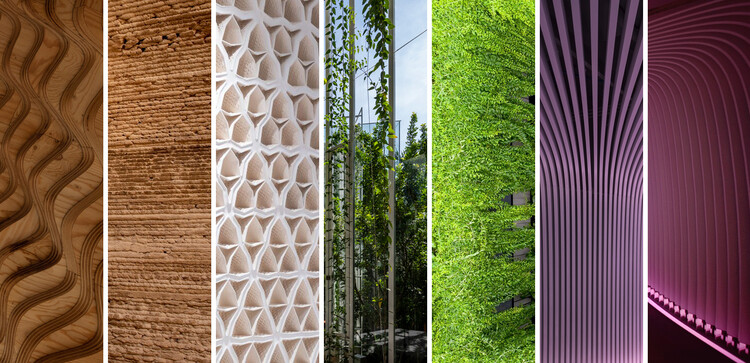
Choosing sustainable materials is essential for eco-friendly interiors. Opt for:
- Non-Toxic Options: Use paints, finishes, and adhesives free from harmful chemicals to maintain clean indoor air.
- Recycled or Reclaimed Materials: Use reclaimed wood from old structures or recycled metals for furniture and décor.
- Rapidly Renewable Resources: Bamboo and cork are excellent choices as they regenerate quickly.
2. Energy Efficiency
Reducing energy consumption in interiors involves:
- Installing LED lighting and energy-efficient appliances.
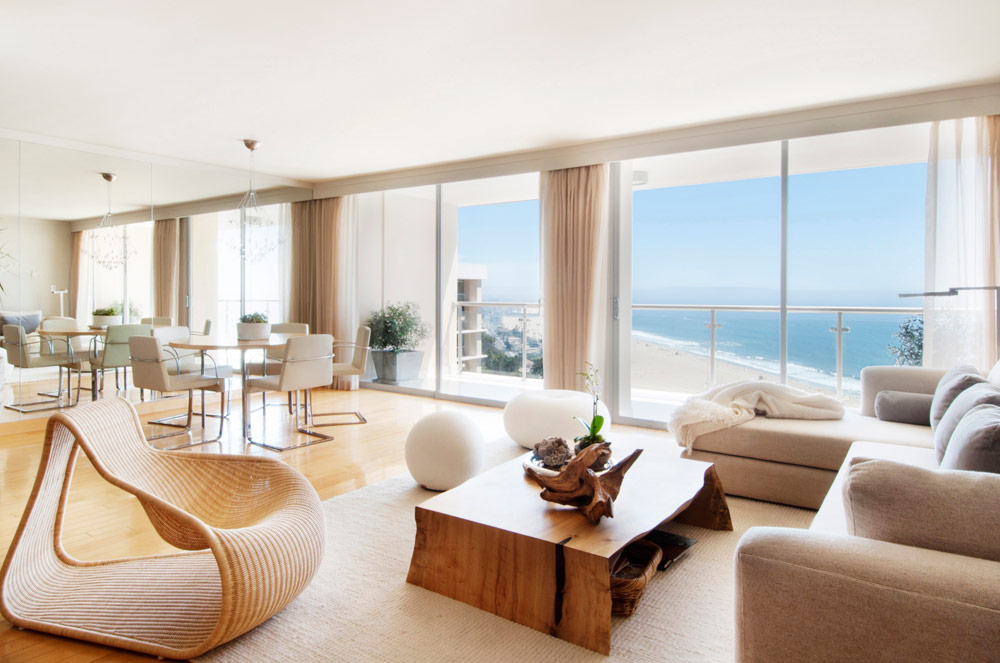
- Maximizing natural light through larger windows and reflective surfaces like light-colored walls.
- Enhancing insulation to maintain indoor temperatures efficiently, reducing heating and cooling needs.

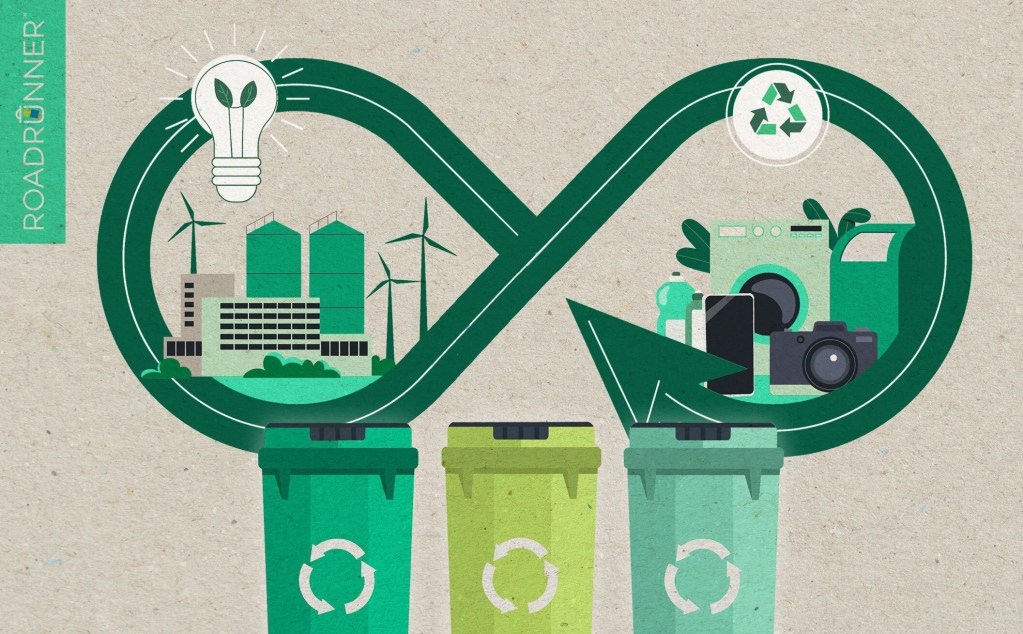
3. Waste Reduction
Minimizing waste is critical for sustainability:
- Upcycling old furniture instead of discarding it by adding new upholstery or a fresh coat of paint.
- Opt for products with minimal packaging or made from recycled content.
- Donate or sell unused items to extend their lifecycle.
4. Indoor Environmental Quality
Good indoor air quality contributes to better health and comfort:
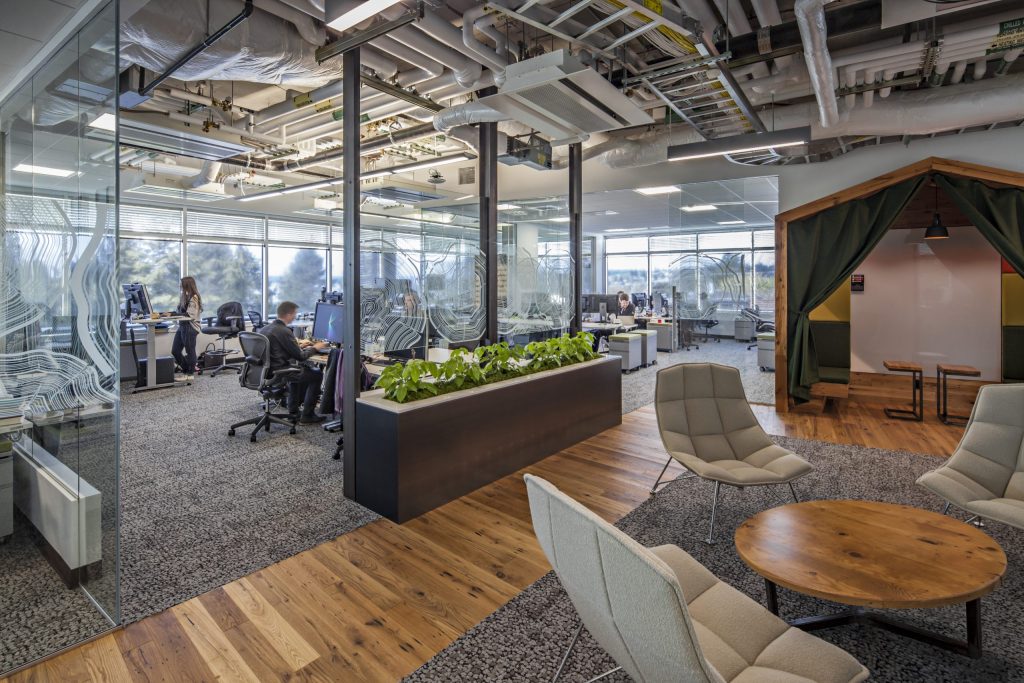
- Ensure proper ventilation by integrating air-purifying systems and plants.
- Use natural fabrics and non-toxic materials for carpets, curtains, and furniture.
- Avoid harmful cleaning agents by switching to eco-friendly cleaning products.
Benefits of Sustainable Interior Design
Sustainable interiors offer numerous advantages:
- Environmental Protection: They help reduce carbon footprints and conserve natural resources.
- Healthier Living Spaces: Improved indoor air quality promotes well-being and reduces exposure to harmful substances.
- Cost Savings: Energy-efficient designs lower utility bills and extend the lifespan of furniture and appliances.
Conclusion
By following the principles of sustainable interior design, we can craft interiors that are not only visually appealing but also environmentally responsible. Prioritizing material selection, energy efficiency, waste reduction, and indoor environmental quality helps us create spaces that support a greener planet and healthier lifestyles. Let’s embrace sustainable design to make our homes eco-friendly and our lives more fulfilling.
