




What is Vastu?
In this ever-evolving world of modern design, ancient practices like Vastu hold timeless significance. This traditional Indian science is a simple practice for spatial alignment, offering simple ways to balance the energy, harmony, health, and prosperity surrounding our home. Vastu for homes acts as a guiding principle for creating homes that radiate positivity and nurture well-being. By aligning these five elements Earth, water, fire, air and space it creates a sense of positivity, well-being and fortune.
How to Improve Home Energy with Vastu?
Vastu works on the principle of elevating the flow of energy in a house. It uses elements like colors and materials to create harmony. Vastu focuses on the flow of energy through the placement of rooms, furniture, and decor. For example, a clutter-free entrance facing north or east invites positivity, while having a kitchen in the southeast balances the fire element. Bedrooms are designed for rest and stability, with the bed ideally positioned in the southwest.Vastu for home relies on Colors and materials: soft hues promote calmness, while vibrant tones energize social spaces. By following these vastu principles for positive energy, your home can feel more peaceful, harmonious, and aligned with nature.

What are the Vastu Principles for Different Areas?
Every space in our house exudes different energies, the benefits of vastu in home design impacts various aspects like our mood, functionality, and overall atmosphere of the space. From the moment we enter inside, the layout and design of each room can influence our emotions and well-being. By understanding and balancing these energies through thoughtful design we can create a harmonious and supportive environment that nurtures both body and mind. Here are few vastu tips for better living experience in every room:
1. The Living Room
The living room is the heart of every home, this is the place where people connect with family and welcome guests. According to Vastu, the living room should be in the north, east, or northeast direction. Seating arrangements should face the east or north to promote a welcoming and serene environment. Avoid placing heavy furniture in the center, instead, create an open space to allow energy to flow freely.
2. The Kitchen
The kitchen is a symbol of health and prosperity in every house. The southeast corner is considered ideal as it represents the fire element. Place the stove in this direction, ensuring you face east while cooking. Avoid having a kitchen in the northeast or directly under a bathroom, as these can disrupt the home’s positive energy.
3. The Bedroom
Your bedroom is a sanctuary for relaxation and revival. For the master bedroom, the southwest corner is ideal, promoting stability and grounding. The bed should face the south or west wall, with the headboard aligned in the same direction. Avoid mirrors directly facing the bed, as they can disturb sleep and energy.
4. The Pooja Room
The northeast corner is considered the most auspicious for pooja rooms as it attracts positive energy. Ensure the idols or pictures of deities face east or west while you face the same direction while praying. Keep this space clutter-free and serene.
5. The Bathroom
Bathrooms, if positioned in the wrong direction can disrupt the energy flow of your home. The ideal corner for a bathroom is the northwest or southeast corner. Ensure proper ventilation and avoid locating them near the kitchen or pooja room.
6. The Dining Room
It should ideally be in the west or east direction, with the dining table placed centrally it fosters unity and nourishment . Avoid placing the table under a beam, as it creates unnecessary stress and tension.
7. The Children's Room
For children’s rooms, the best direction is the west or northwest direction. The bed should be aligned with the south or west wall, with the head facing east or south. Create a space that nurtures creativity and keeps study areas organized for clarity.
8. The Guest Room
The northwest corner is ideal for a guest room, offering a comfortable and transient energy. Decorate with soothing colors and provide ample lighting to make guests feel welcome.
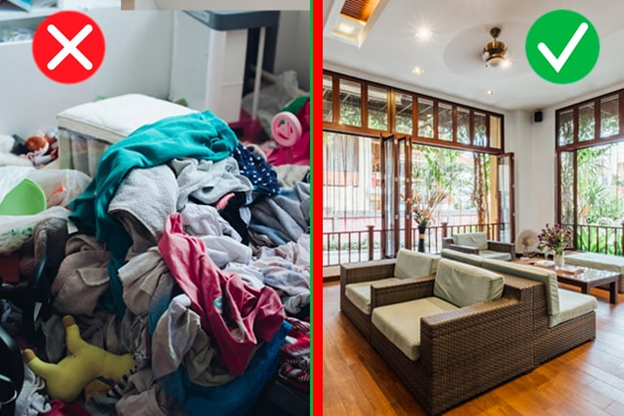
Common Vastu Mistakes to Avoid in Home Design
Here are five Vastu Do’s and Don’ts to avoid in home design:
- Cluttered Main Entrance: A cluttered or poorly lit entrance blocks positive energy from entering the home.
- Kitchen in the Wrong Direction: Placing the kitchen in the northeast or northwest instead of the southeast can create energy imbalances.
- Bed Placement: Positioning the bed under a beam or with the headboard facing north can disturb sleep and stability.
- Broken or Damaged Items: Keeping broken or damaged objects in the house attracts negative energy and hampers positivity.
- Improper Placement of Mirrors: Avoid placing mirrors opposite the bed or main entrance, as they can disrupt energy flow and create restlessness.
How to apply Vastu principles in modern homes?
Align key areas like the kitchen, bedroom, and living room with Vastu directions while blending natural light, ventilation, and a clutter-free layout for harmony.
What should be avoided in a kitchen layout?
Avoid placing the stove and sink next to each other to maintain balance.
Which colors bring positivity to a home as per Vastu?
Soft shades like white, light yellow, and pastel green enhance harmony.
